Delhi: Manipal Hospital,Sector 6 adjoining MTNL building, Main Rd, Dwarka, New Delhi, Delhi 110075
Gurugram: Wellness clinic, C 315, Nirvana courtyard, Nirvana country, Gurugram

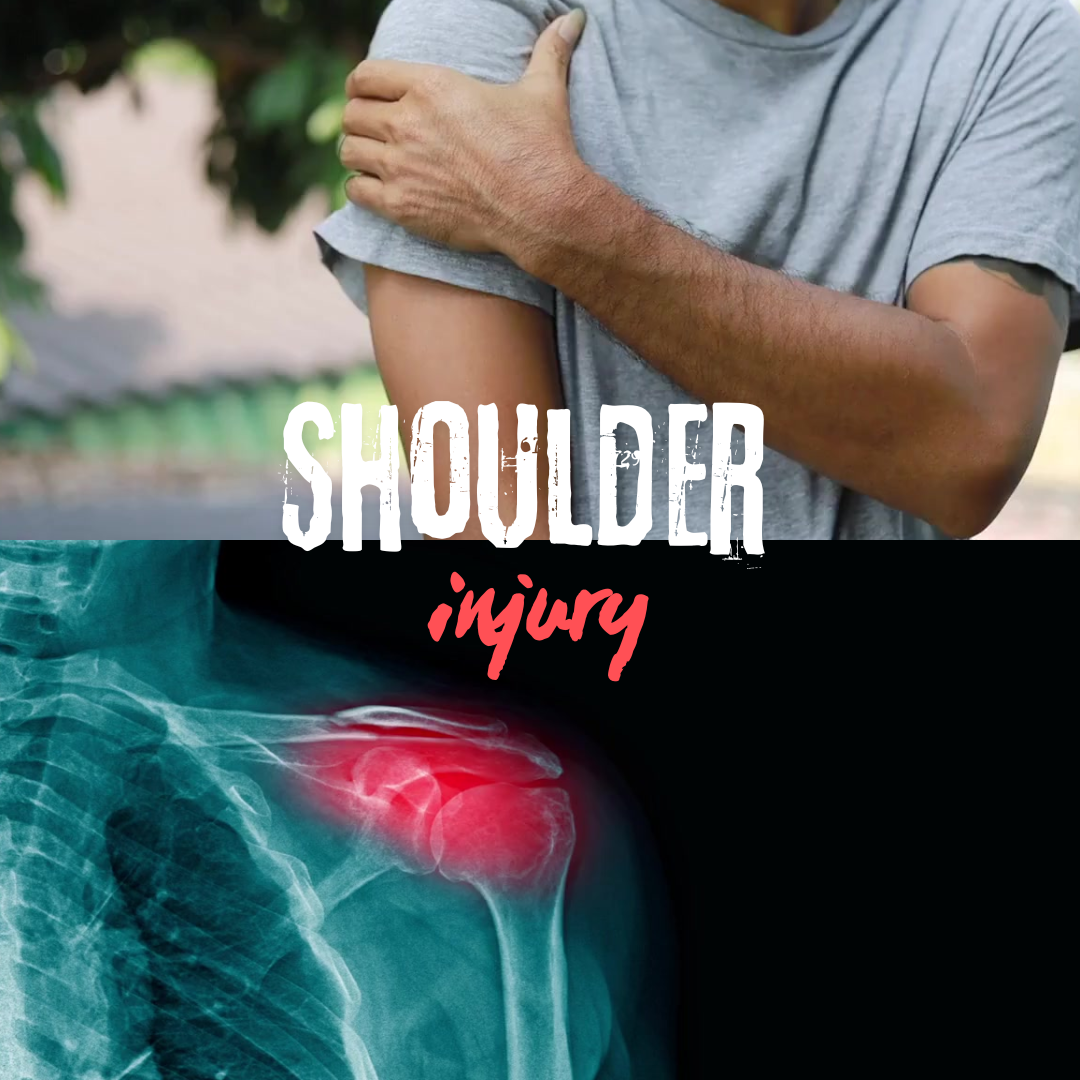
Shoulder injuries are among the most common problems faced by athletes and active individuals, especially in contact and overhead sports like cricket, baseball, rugby, tennis, and swimming. Conditions such as rotator cuff tears, shoulder impingement, and recurrent shoulder dislocations can cause severe pain, weakness, and limit performance.
Dr. Rajeev Verma, Chairman of the Manipal Institute of Bone & Joints at Manipal Hospital Dwarka, New Delhi, is a highly experienced orthopedic and sports injury specialist with over 20 years of expertise in managing complex shoulder problems. He focuses on accurate diagnosis and effective treatment that helps patients — especially sportspersons — return to their peak performance as quickly as possible.
According to Dr. Rajeev Verma, most shoulder injuries do not require surgery. The majority of patients achieve excellent relief and recovery through conservative management, which includes:
Dr. Verma emphasizes that timely and proper rehabilitation plays a crucial role in restoring strength, stability, and full range of motion.
Surgery is advised only in exceptional circumstances, such as:
When surgery is needed, Dr. Rajeev Verma performs it using minimally invasive arthroscopic techniques. These advanced keyhole procedures result in less pain, smaller scars, faster recovery, and early return to sports.
Dr. Rajeev Verma strongly advises that any shoulder injury should be examined at the earliest by an experienced sports injury specialist. Early evaluation helps in:
With proper treatment under Dr. Verma’s care, most players and active individuals can get back to competitive sports in minimal time with high success rates.
Q1: Can shoulder injuries heal without surgery? Yes. Most shoulder injuries, including rotator cuff tears and dislocations, respond very well to rest, medicines, and proper rehabilitation.
Q2: When is surgery needed for shoulder injury? Surgery is recommended only in rare cases — such as large rotator cuff tears or recurrent dislocations that do not improve with conservative treatment.
Q3: What is the recovery time after shoulder arthroscopy? Recovery is much faster with minimally invasive techniques. Most patients regain good function within weeks, and athletes can often return to sports in a few months with proper rehab.
Q4: How soon should I consult a doctor after a shoulder injury? As early as possible. Early intervention significantly improves outcomes and reduces the risk of long-term problems.
Book Your Consultation Today