Delhi: Manipal Hospital,Sector 6 adjoining MTNL building, Main Rd, Dwarka, New Delhi, Delhi 110075
Gurugram: Wellness clinic, C 315, Nirvana courtyard, Nirvana country, Gurugram

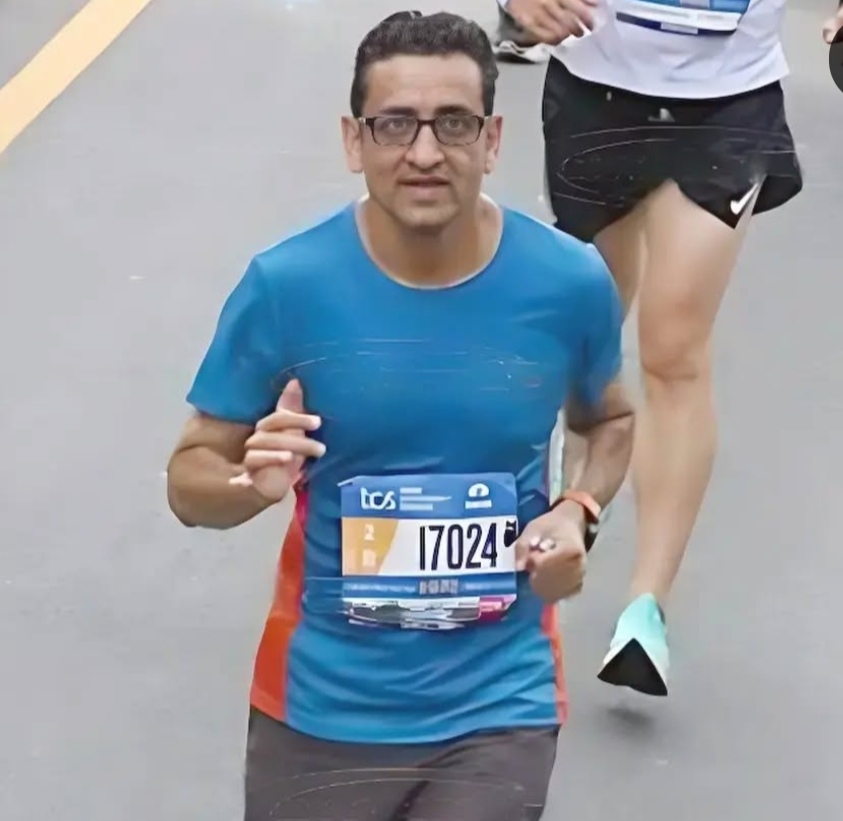
Whether you are a seasoned marathoner or a weekend jogger hitting the trails in Dwarka, "Runner’s Knee" is a term that often brings a sudden halt to your training. Formally known as Patello femoral Pain Syndrome (PFPS), this condition is one of the most common reasons runners visit an orthopedic specialist.
To help us navigate the causes and treatments of this nagging injury, we consulted Dr. Rajeev Verma, Chairman of Bone & Joint Surgery at Manipal Hospital, Dwarka, Delhi. With over 25 years of experience in joint replacement and sports medicine, Dr. Verma offers a professional perspective on how to get back on track safely.
Runner’s knee isn't a single injury; it's a broad term for pain at the front of the knee and around the kneecap (patella). It happens when the kneecap doesn't track properly in the groove of the thigh bone, leading to irritation.
"Runner’s knee is often a 'misalignment' issue," explains Dr. Rajeev Verma. "When the kneecap doesn't glide smoothly, it creates friction. This is frequently exacerbated by sudden changes in training intensity or poor biomechanics, such as weak hip or core muscles that fail to stabilize the leg during impact."
If you’re unsure if your pain is truly runner’s knee, look for these tell-tale signs:
Dull, aching pain behind or around the kneecap.
Pain during activity, especially when running downhill or climbing stairs.
Stiffness after sitting for long periods with your knees bent (often called the "theater sign").
Popping or grinding sensations when you flex the joint.
According to Dr. Verma, the cause is rarely just the running itself. Instead, it is a combination of factors:
Overuse: Pushing too hard, too fast, before the body can adapt.
Muscle Imbalance: Weak quadriceps or tight hamstrings can pull the kneecap out of alignment.
Foot Mechanics: Overpronation (feet rolling inward) can put extra stress on the knee joint.
"At Manipal Hospital, we see many athletes who focus only on mileage and neglect strength training," says Dr. Verma. "Your knees are the shock absorbers of your body. If the supporting muscles—like the glutes and quads—aren't strong enough, the joint takes the brunt of the force."
If you are currently feeling the "grind," don’t panic. Most cases of runner’s knee can be managed with a conservative approach.
Rest, Ice, Compression, and Elevation remain the gold standard for immediate relief. Dr. Verma advises patients to "listen to the pain" and reduce mileage until the acute inflammation subsides.
Strengthening the "VMO" (the inner part of your quad) and the hip abductors is crucial for proper patellar tracking.
Check your shoes. If they have more than 500–700 kilometers on them, they likely lack the support you need. Running on softer surfaces like grass or synthetic tracks can also reduce the impact compared to concrete.
While rest often helps, persistent pain should not be ignored.
"If the pain persists for more than two weeks despite rest, or if you notice significant swelling, it’s time for a professional evaluation," warns Dr. Rajeev Verma. "In some cases, we use advanced diagnostics like MRI to rule out meniscus tears or ligament damage. Our goal at Manipal Dwarka is always to return the patient to their active lifestyle using the most minimally invasive path possible."
Running is a lifelong journey. Don't let a temporary setback become a chronic issue. By focusing on strength, proper form, and gradual progression, you can keep your knees healthy for years to come.
-------------------------------------------------------
Reported by Health News Bureau | For Doctor appointments Call +91 +91821082 2515 | Click here to follow us on Youtube latest updates on Orthopedics, Joint Replacement & Sports Injury | Click Here to follow us on Instagram
-------------------------------------------------



Share This News